The Commercial Real Estate Market Reset Is Here
The Commercial Real Estate Market Reset Is Here – What Deep Office Discounts Mean for Investors.
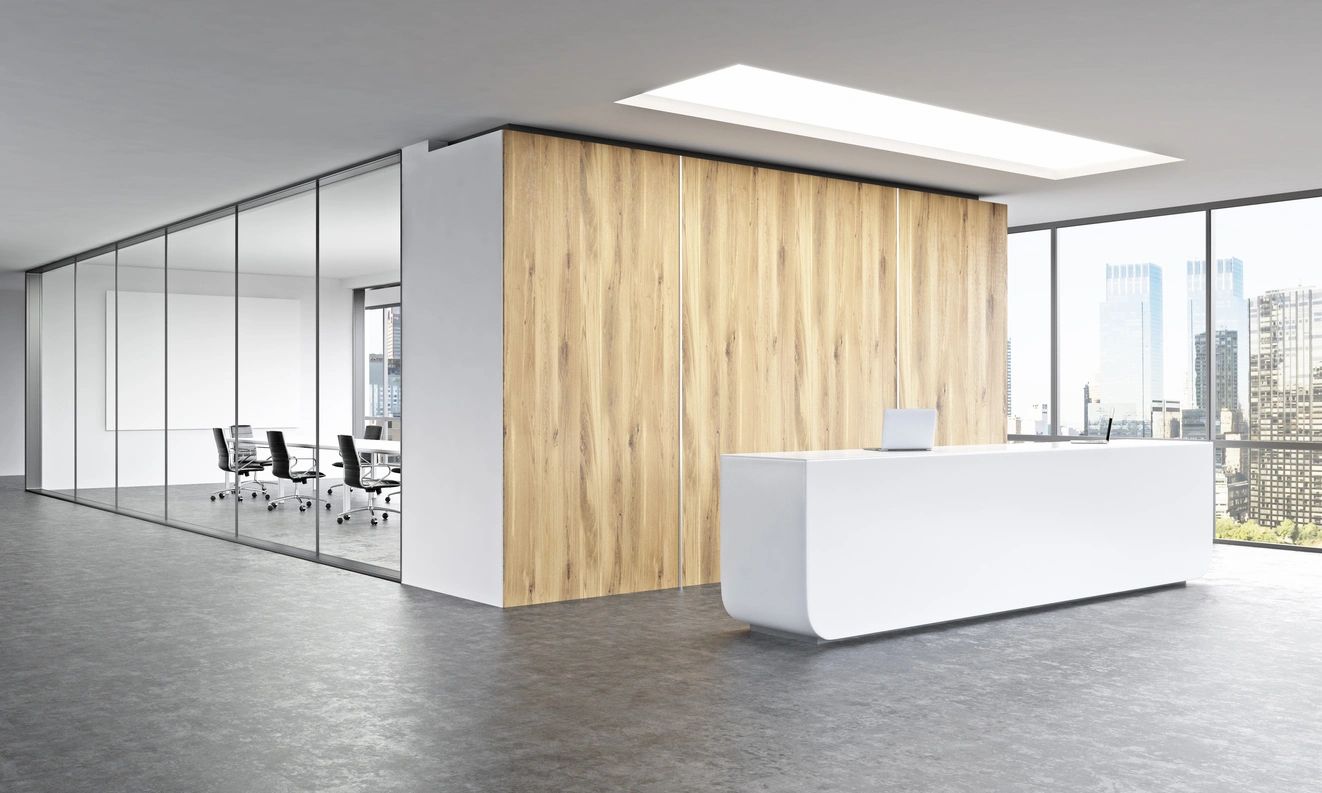
The Commercial Real Estate Market Reset Is Here – What Deep Office Discounts Mean for Investors.
The U.S. commercial real estate market is going through a major reset, and for those paying attention, it is creating some of the most compelling opportunities in years.
Office assets are repricing aggressively
After holding out for a recovery following the pandemic, many office owners and lenders are now accepting a different reality. Demand has shifted as hybrid work becomes permanent, and interest rates remain elevated.
As a result, a wave of distressed sales has hit the market, with some properties trading at discounts of 90 percent or more from prior values.
In 2025, more than five billion dollars in distressed office properties were sold through foreclosures, auctions, and lender driven sales.
This is not just a correction. It is a full reset of the office sector.
Why this matters
These pricing declines are not only losses for existing owners. They are also entry points for new investors.
Across the market, several trends are emerging. Investors are acquiring assets at significant discounts to replacement cost. There is growing interest in converting office buildings into residential or mixed use properties. Operators are exploring creative repositioning strategies for obsolete buildings. Lenders are becoming more flexible as they work through distressed situations.
For experienced sponsors, this is where long term value is created.
Not all sectors are moving in the same direction
While office is under pressure, other areas of commercial real estate are showing different dynamics.
In certain housing markets, competition remains intense. In the Hartford, Connecticut area, buyers are still entering bidding wars, often making offers above asking price and waiving inspections. Home values there have risen substantially over the past several years.
In the multifamily sector, a large share of properties are offering rent concessions. This is largely driven by an oversupply of new units in high growth regions that saw heavy construction during the pandemic.
Industrial real estate is also seeing some normalization. Vacancy rates have increased in certain markets as logistics demand adjusts, although fundamentals remain stronger than office.
Capital is still active but more selective
Even with these challenges, capital has not disappeared. It has simply become more disciplined and more selective.
Large scale investments are still happening, particularly in areas tied to long term economic growth. Cities are continuing to invest in infrastructure and development that can drive tourism and business activity.
The broader trend is clear. Capital is moving toward opportunities with strong fundamentals and clear long term demand.
What investors should be watching
As the market continues to adjust, success will depend on strategy and execution.
Investors should be paying close attention to distressed office acquisitions and note sales, opportunities to convert or reposition existing assets, and situations where recapitalization or restructuring can unlock value.
Markets with strong population and job growth will continue to attract capital. At the same time, some assets are being mispriced due to short term liquidity pressures, creating opportunities for those prepared to act.
Bottom line
This is not the end of commercial real estate. It is a transition.
The gap between strong and weak assets is widening, and the next phase of the market will reward those who can identify opportunity early and execute effectively.
For investors who understand the cycle, this environment may offer some of the best opportunities in the coming years.

Preferred equity capital for commercial real estate sponsors and investors. Capital. Relationships. Results.
This website is for informational purposes only and does not constitute an offer to sell or a solicitation of an offer to buy securities.